
Yasuní wildlife in the rainforest
Yasuní wildlife is part of a much larger living landscape of forest, rivers and lagoons. The UNESCO profile of the Yasuní Biosphere Reserve describes tapirs, several monkey species, sloths, river dolphins and giant otters, as well as macaws and toucans. These are records for the reserve as a whole, not a list of animals promised at an individual camp or on a particular journey. The forest can be rewarding even when a much hoped for animal stays out of sight.
Travel with a guide and make room for quiet observation. Listen to the instructions given on the route, avoid feeding or touching wildlife and resist the urge to provoke an animal into moving for a photograph. Your guide’s knowledge and your own patience help keep attention on the habitat rather than on collecting sightings. Learn more about the wider setting in the national park guide.
Our picks: rainforest packages
Our take: Choose the kayak package for hiking and wildlife spotting. The camp package includes a parrot clay lick and navigation on the Tiputini.
Hand-picked tours, booked through Viator. Prices are indicative starting prices in US dollars (as of October 2026). Tap a tour for live availability and the current price in your currency.
Tiputini and clay lick camp package
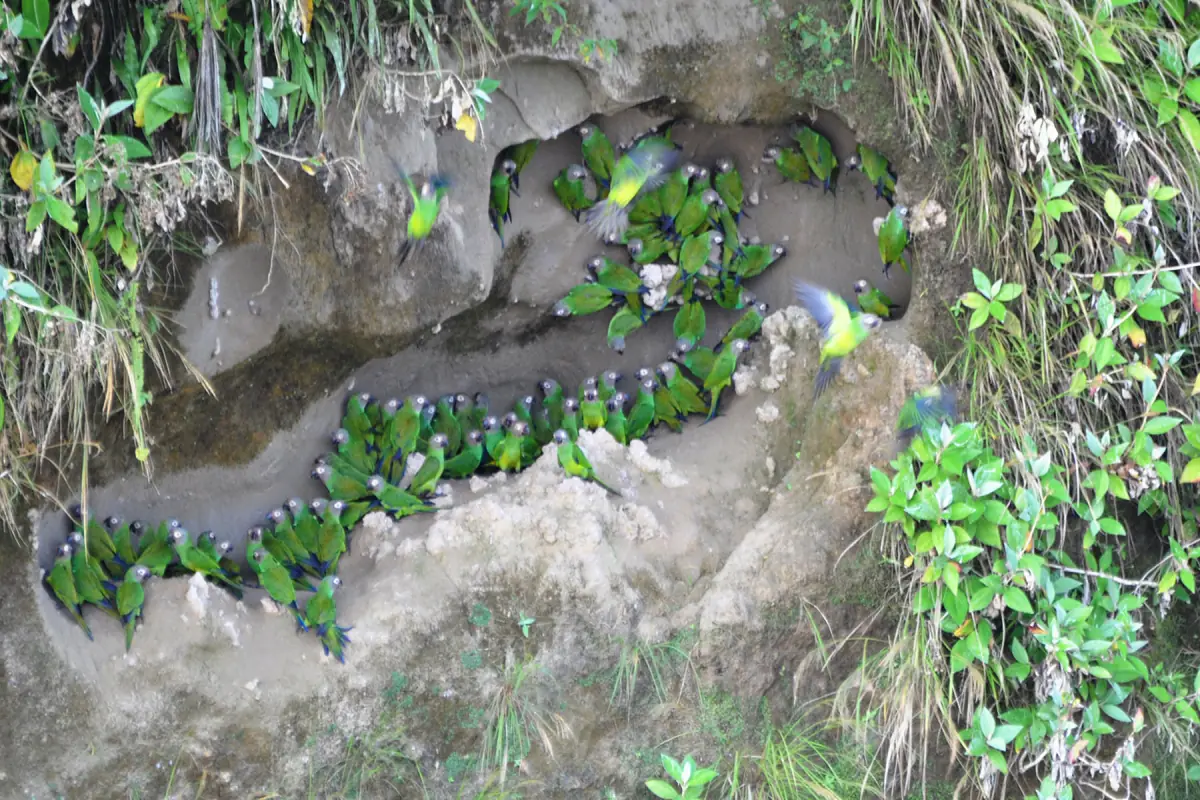
- Parrots clay lick
- 4 nights in campsite
- Motorized canoe transportation
The program includes navigation on the Tiputini and a visit to Anaconda lagoon, with local guides.
Check availability →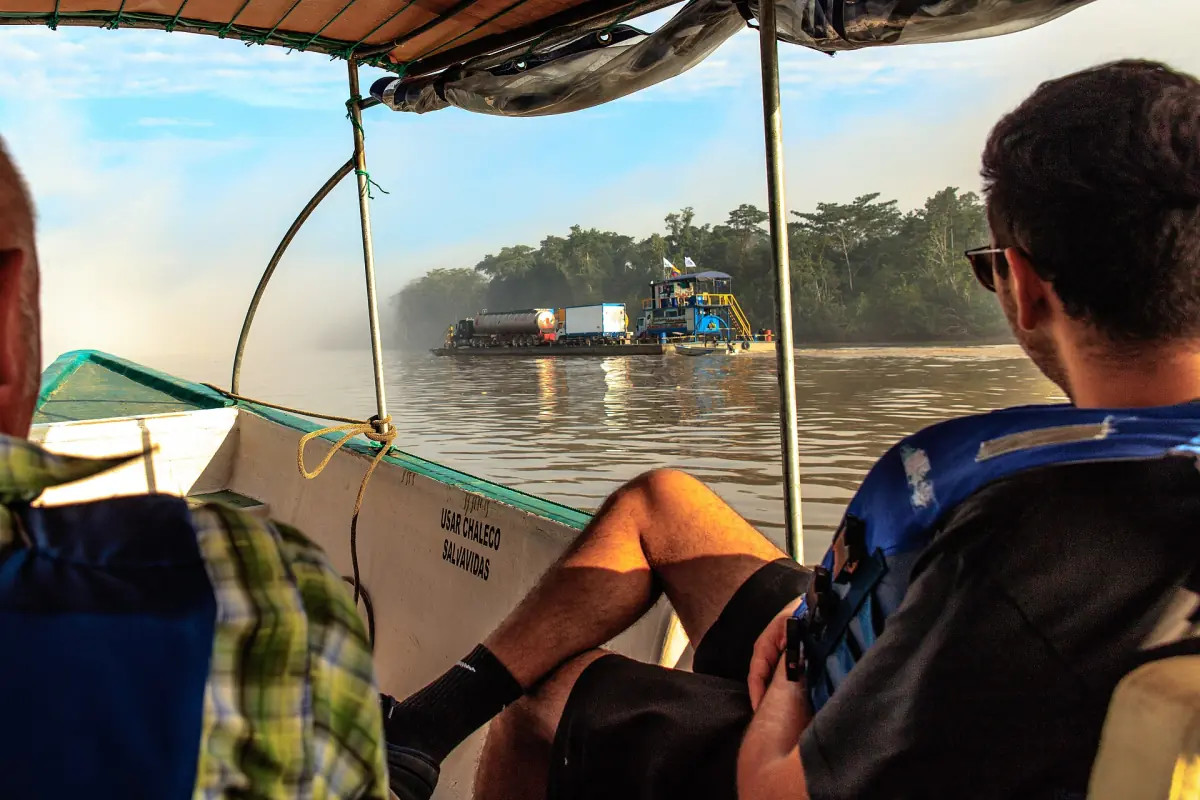
Yasuní kayak and community package
- Kayaking on Tiputini River
- Visiting the native Kichwa communities
- Camping in double accommodation
The program includes wildlife spotting and hiking, with an English-speaking trip leader and local guides.
Check availability →Explore rainforest journeys
Choose a longer journey with lagoon visits and rainforest activities.
Lagoons and lakes in the rainforest
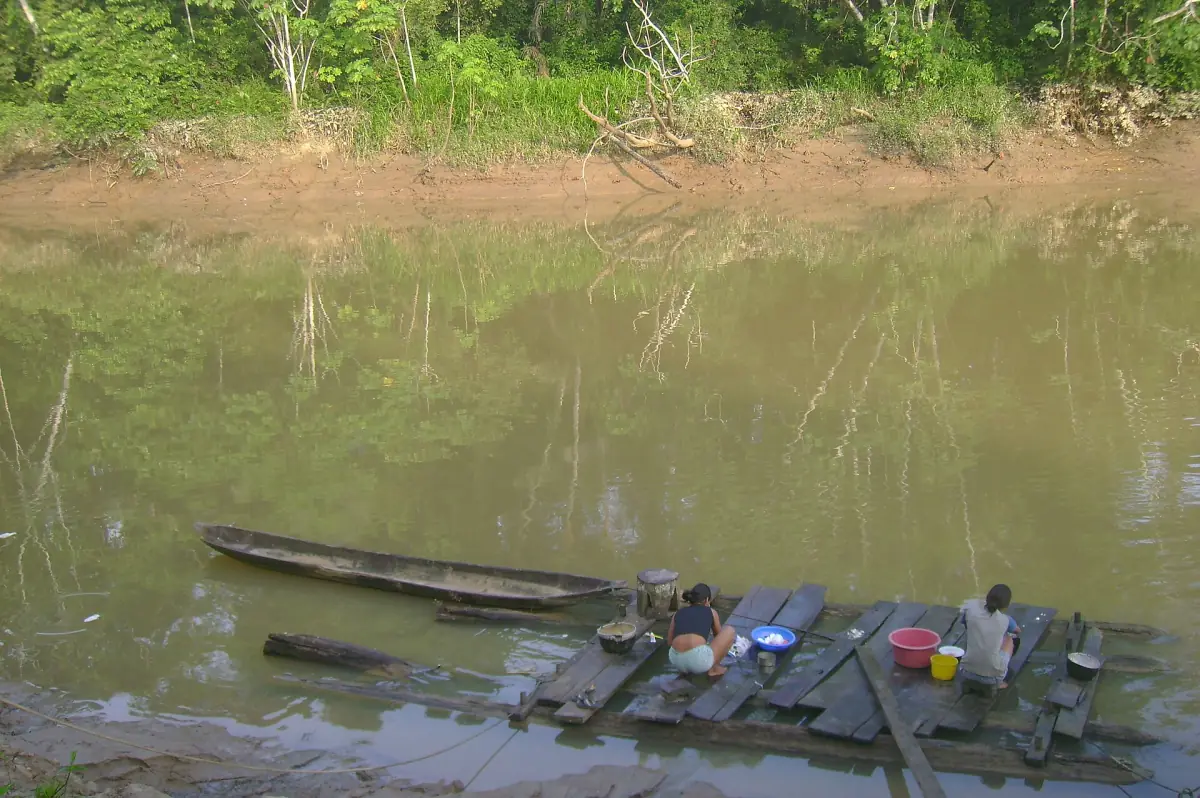
Water is an important part of the experience as well as a way to travel. The Anaconda lagoon appears in the inclusions of both featured longer programs, alongside different activities and accommodation arrangements. One five day trip explicitly includes wildlife spotting, hiking, kayaking on the Tiputini and camping. Its meeting point is the lobby of Hotel El Auca in Coca. The other five day program includes navigation on the Tiputini, the lagoon and parrot clay licks, with four nights at a campsite.
A lagoon stop is best understood as part of the full journey, not as a promise that a particular animal will appear on the water. Compare the included equipment, transport and length of each trip with what you want to do. The Napo River guide explains why the river portion of a journey depends on its destination and program.
Birds and careful observation
The UNESCO profile records 610 bird species for the biosphere reserve. That figure describes the profile of the reserve, not a current complete count for the national park alone. Macaws and toucans form part of the reported birdlife, while the actual birds encountered on a trip vary. Binoculars can help you observe without approaching closely or disturbing animals.
At mineral rich clay licks, parrots and parakeets may come to take clay. An operator describes early morning observation, but weather and animal behaviour affect the experience. For the details of multi day packages that include a clay lick, see parrot clay licks. Keep flash and physical interaction out of wildlife encounters and follow the guide’s directions.
Getting ready for forest and water
Rain falls throughout the year. It can support canoe navigation while drier conditions can make walking paths easier, so prepare for changing conditions rather than selecting a date on the expectation of guaranteed sightings. Protect personal essentials from moisture and consider the equipment listed in your own program. Our season guide helps put rain and river travel into context.
For the Napo, official advice recommends daytime travel with an officially operating guide, good communication and an emergency plan. Consider weather, currents, equipment and insurance for water activities. The forest region is a yellow fever risk area: seek individual travel health advice for the Amazon route and plan mosquito protection. These preparations leave you freer to concentrate on the forest and the people guiding your journey.
Practical planning
A useful way to prepare is to write down the meeting place, the transport included and the number of nights in the program you choose. Keep the journey to the meeting point separate from the onward trip. If you are connecting through Coca, allow time for changes and make sure that the dates fit together. The same destination can be reached through different arrangements, so the precise program matters more than a general description of the region.
Pack for rain and humidity, with protection for important documents and personal belongings. Think about the equipment supplied in your chosen package and the items you need personally. Good preparation also includes travel insurance, a way to communicate and an emergency plan. For individual health questions, speak with a travel health professional about your route and mosquito protection before departure.
Frequently asked questions
Which animals might I see?
The biosphere reserve supports species including monkeys, sloths, tapirs and many birds. Individual encounters depend on the animals.
Do both trips include a lagoon?
Both featured packages list the Anaconda lagoon, although their other activities and arrangements differ.
How should I behave around animals?
Follow your guide, observe quietly and do not feed or touch wildlife.