
Choosing the best time to visit Orellana
The best time to visit Orellana depends on the kind of journey you want to make. Rain falls throughout the year, and conditions can change during a forest stay. Instead of choosing a date on the promise of a dry trail or a particular animal, give your programme enough time and prepare for both rain and periods of clearer weather.
River transfers, forest walks and wildlife watching respond differently to the weather. An operator notes that rain can help canoe navigation while drier conditions can make trails easier. These are useful considerations when packing, not a guarantee for a particular day. Check the arrangements for your chosen route and leave space around important connections.
Start with the Orellana trip options and then consider where you will sleep using the accommodation guide. The arrival guide covers the separate journey through Coca.
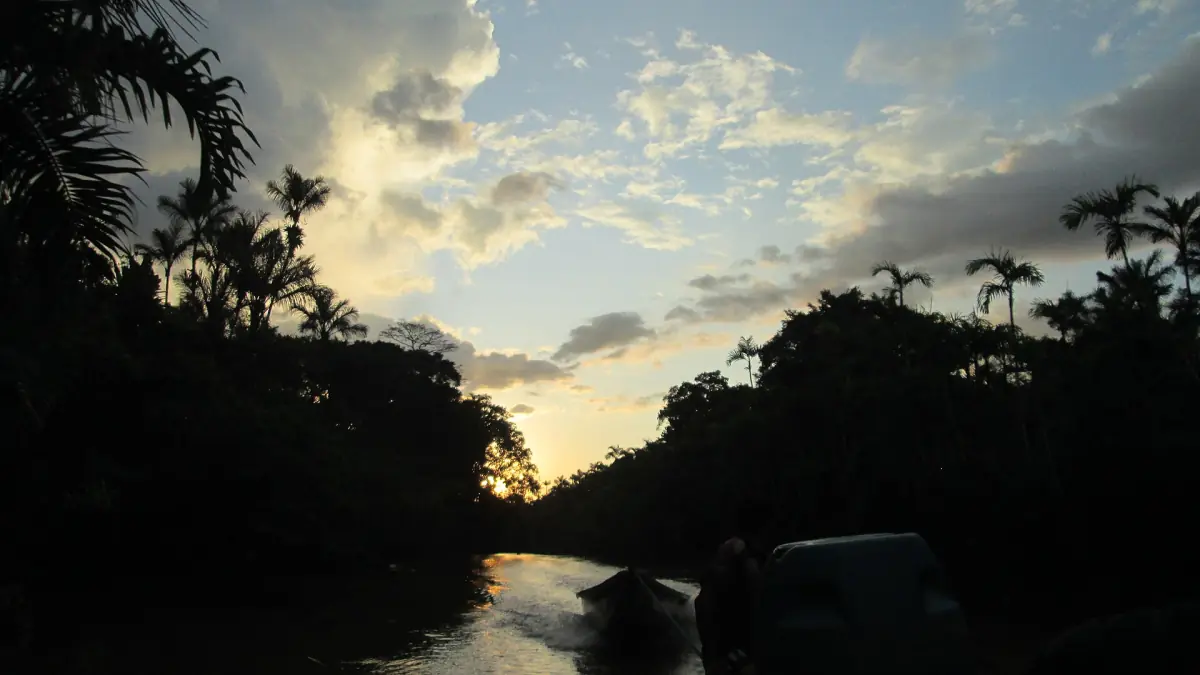
A rainforest camp package
This package combines camp nights with a clay lick visit.
Hand-picked tours, booked through Viator. Prices are indicative starting prices in US dollars (as of October 2026). Tap a tour for live availability and the current price in your currency.
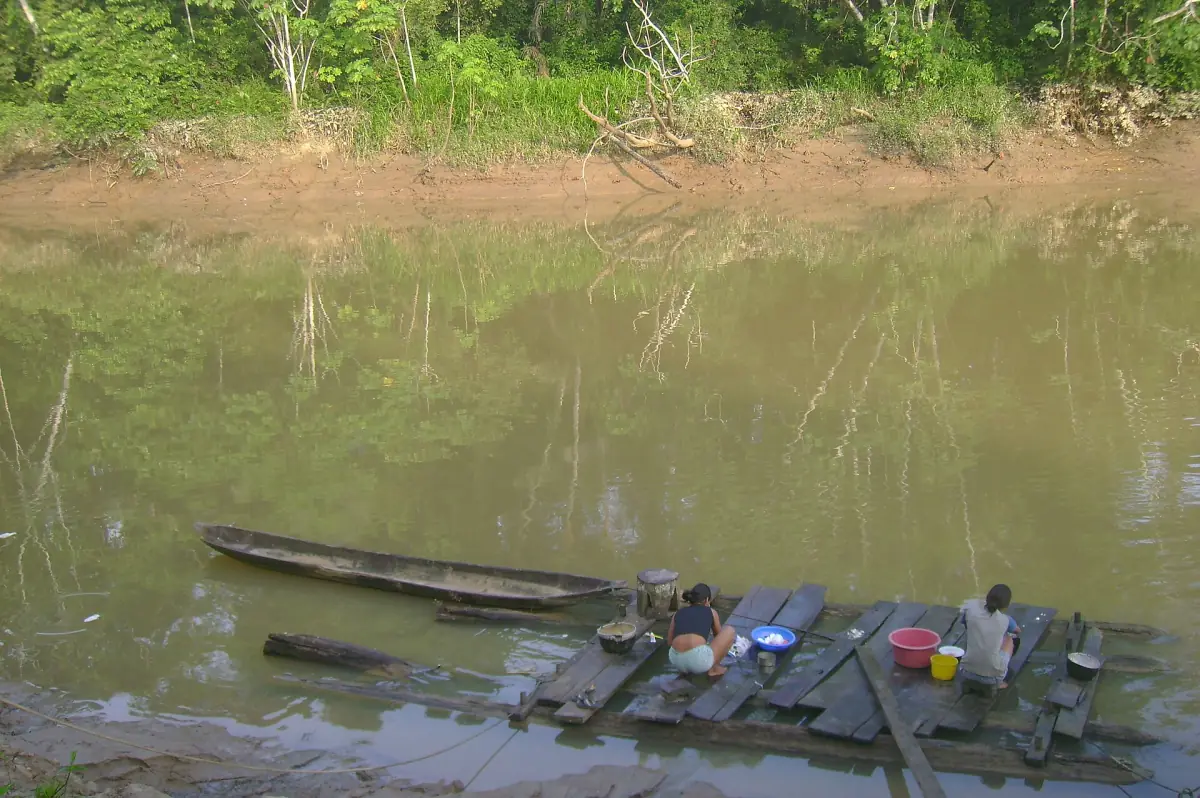
A rainforest camping itinerary
A multi-day programme combines canoe transport, camping and a visit to parrot clay licks.
Rain and river levels
Water is part of the travel experience in Orellana, both overhead and under the canoe. Rain can influence river conditions and the state of paths, so a plan built around a single predicted condition leaves little room for change. A programme with several days gives you a broader window for its activities, although weather and wildlife remain variable.
Discuss the planned boat journey and its meeting point with your programme. A transfer to a particular riverside destination should not be treated as a timetable for the entire Napo. One community operator describes a boat journey of about two hours from its private pier in Coca to its own site. Other destinations have their own arrangements. The Napo river guide explains this distinction.
For travel on the river, consider weather, current, equipment and insurance. Travel by day with an officially operating guide, and make an emergency and communication plan. These practical steps matter whenever you go, even when the forecast for your departure looks favourable.
Activities in changing weather
A forest programme can bring together time on the water, walks and observation. Rain may change the comfort and condition of a path; the same rain can be useful to canoe navigation. Take rain protection and footwear suited to wet ground, and keep important items protected from water. Follow your guide's instructions as conditions change rather than trying to fit the landscape to a fixed timetable.
The camping itinerary shown here includes canoe transport, a rainforest camp and parrot clay licks. It lasts four days with three camp nights. A multi-day itinerary is a way to spend time in the landscape, not a promise that every activity will feel the same in every weather pattern. The programme's own inclusions tell you which arrangements belong to the trip.
At a clay lick, an operator describes early morning as a time to observe parrots and parakeets taking mineral-rich clay. Bring binoculars and watch quietly. Avoid feeding or touching animals, and avoid disturbing them for a photograph. Our birdwatching guide explains how a clay lick visit fits into a longer programme.
Wildlife and flexible expectations
The Yasuní biosphere reserve supports a wide range of wildlife, including monkeys, sloths and birds. Animals move through a large landscape, and sightings vary from one visit to the next. Choose a trip for the full experience of being on the river and in the forest rather than for a guaranteed encounter with a named species.
A guide can help you observe without disturbing wildlife. Take time to look and listen, keep a respectful distance as directed and follow the rules of the place you visit. See the wildlife guide for the habitats and the limits of what a visitor can expect to see.
Allow time for arrival and health preparation
Weather can affect road and river plans, so connect your flight, road trip and boat departure with some flexibility. El Coca is a gateway, not the final destination of every forest itinerary. Make sure you know which parts are included and where you meet your group. If you travel overland from Quito, check the road situation close to departure.
Forested Orellana is a yellow fever risk area, and malaria also needs consideration in travel health planning. Seek individual travel medicine advice for your Amazon route and prepare mosquito protection. Review your insurance, communication arrangements and emergency plan, particularly when staying far from a larger hospital. These preparations are useful in every season.
Timing questions
Does it rain all year in Orellana?
Rain occurs throughout the year, with changing conditions during individual trips.
Can a particular month guarantee wildlife sightings?
No. Wildlife is unpredictable, so choose an itinerary for its broader forest and river experience.
What should I take for changing weather?
Bring rain protection, suitable footwear and a way to keep important belongings dry. Follow the equipment advice for your programme.