
Planning a journey on the Napo River
The Napo River is part of the travel landscape around El Coca, where the waterfront serves as a departure area for journeys towards Yasuní. A boat ride can be an integral part of a rainforest stay, linking a city meeting point with a destination on the water. The details depend on the programme: the river is a route through the region, not a single excursion with one standard timetable.
Begin with your destination and work backwards. Find the meeting point, identify whether a transfer is included, and allow room between arrival in Coca and departure. The city guide introduces the Malecón and its setting at the meeting of the Napo and Payamino. The arrival guide separates travel to Coca from the onward journey.
The river can also frame a longer visit to the Yasuní National Park. Park access, accommodation and transport are distinct aspects of the plan. Read the particular programme rather than assuming that every forest destination is reached in the same way.
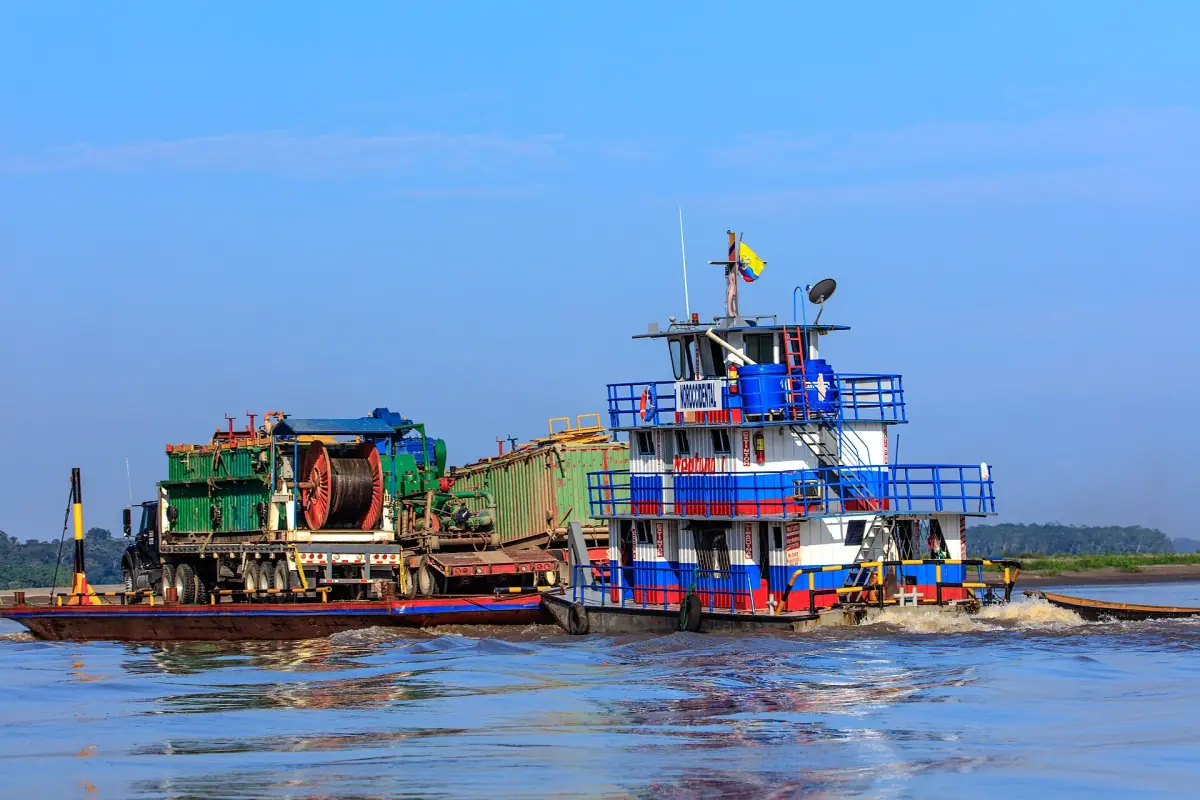
From Coca to a riverside destination
The Malecón is an orientation point, but a specific operator may use its own pier. One Añangu community operation describes a transfer of about two hours from its private pier in Coca to its own location. That is a useful example of the scale of a journey, not a duration to apply to every destination. The right departure point and travel time come from the itinerary you choose.
Ask how luggage is handled, when to meet and what happens after the boat arrives. Those practical details help you connect an airport arrival, a night in town and a forest stay without treating them as a single ticket. A programme may organise water transport as part of its package, so compare the listed inclusions with the journey you need.
A package with boat transfer
This Yasuní package includes a boat transfer.
Hand-picked tours, booked through Viator. Prices are indicative starting prices in US dollars (as of October 2026). Tap a tour for live availability and the current price in your currency.
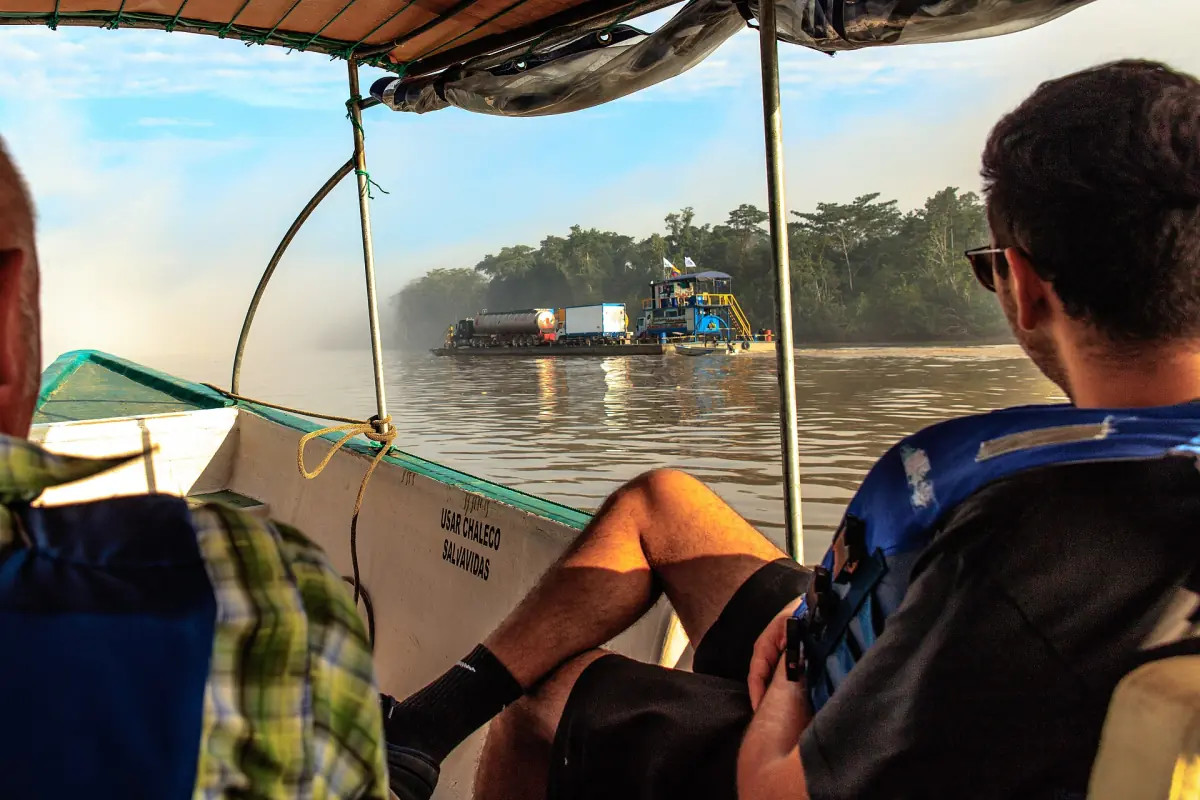
A Yasuní package with boat transfer
This two-day programme includes a boat transfer and meals as part of its Yasuní itinerary.
Boat transfers and the package
The featured Yasuní programme lists a transfer boat and meals over two days. It is a multi-day package, so consider it alongside the full itinerary instead of reading the boat transfer as a separate public ferry ticket. The listed inclusion does not specify a particular Napo section or a departure point. Use the programme details to make the connection that suits your wider travel plans.
For a forest stay, compare how much time is devoted to travel and how the return fits the rest of your itinerary. A river journey can be a memorable part of the experience, but it also depends on practical coordination. A little space around connections leaves you better placed to respond to changing conditions.
For a wider look at packages, visit our Orellana tours guide. If a visit with a participating community is important to you, the community tourism guide explains why an invitation and the arrangements for that specific visit matter.
Weather, daylight and river safety
Rain falls throughout the year and conditions can change. One local community operator notes that rain can help canoe navigation, while drier conditions can make walking paths easier. Neither pattern promises a particular river level or travel day. Pack for rain and protect items that should stay dry; consider the river and any forest walks together when planning your gear.
UK travel advice recommends travelling on the Napo during daylight with an officially operating guide and having an emergency plan and good communications. For water activities, consider weather, current, suitable equipment, a qualified operator and insurance. Discuss the practical arrangements for your own programme, including how the group communicates if conditions change.
Some remote stays are far from a larger hospital. Bring your itinerary to an individual travel health consultation, arrange mosquito protection and consider insurance that covers possible evacuation. The forest area of Orellana is a yellow fever risk area. Use boiled, filtered or bottled drinking water and avoid ice; the emergency number in Ecuador is 911.
What to bring on the water
Think about the entire transfer rather than only the boat ride. Keep travel documents and essentials protected from rain, and keep any personal medication accessible. Your programme can tell you which equipment it provides and how to prepare your baggage. If you plan to photograph the landscape, protect your camera while travelling and follow the guide's instructions at stops.
River travel is only one part of a broader rainforest visit. Allow the weather and the location to set the rhythm, listen to the people organising the journey and leave space for the return connection. For seasonal planning without a promise of rain-free days, see the guide to when to visit.
Frequently asked questions
How long is the boat journey from Coca?
It depends on the destination. One Añangu community operation describes about two hours to its own site.
Does the featured package include a boat?
Yes, its inclusions list a transfer boat as part of the two-day programme.
What should I consider for safety?
Plan for daylight travel with an officially operating guide, communication and an emergency plan, and consider weather and current.