
Orellana community tourism and invited visits
Orellana community tourism starts with the people who choose to welcome visitors and the arrangements made for a particular encounter. A rainforest journey can include a visit with a participating Kichwa community, but a programme should be understood on its own terms. A place where people live is not simply a stop on a map, and an invitation to one community does not grant access to another.
In the Yasuní region, communities, protected areas and travel operators each have different roles. One project is run by the Kichwa community of Añangu; its operator describes tourism as a way to finance conservation and community work. That is the project's own account of its purpose. When choosing a visit, look for the people organising it, the nature of their participation and the activities described for your particular itinerary.
Start with the wider setting in our guide to the Yasuní National Park, then consider how your journey connects with the Napo River and your meeting point in El Coca. A community visit is one part of a larger trip, with its own practical and social arrangements.
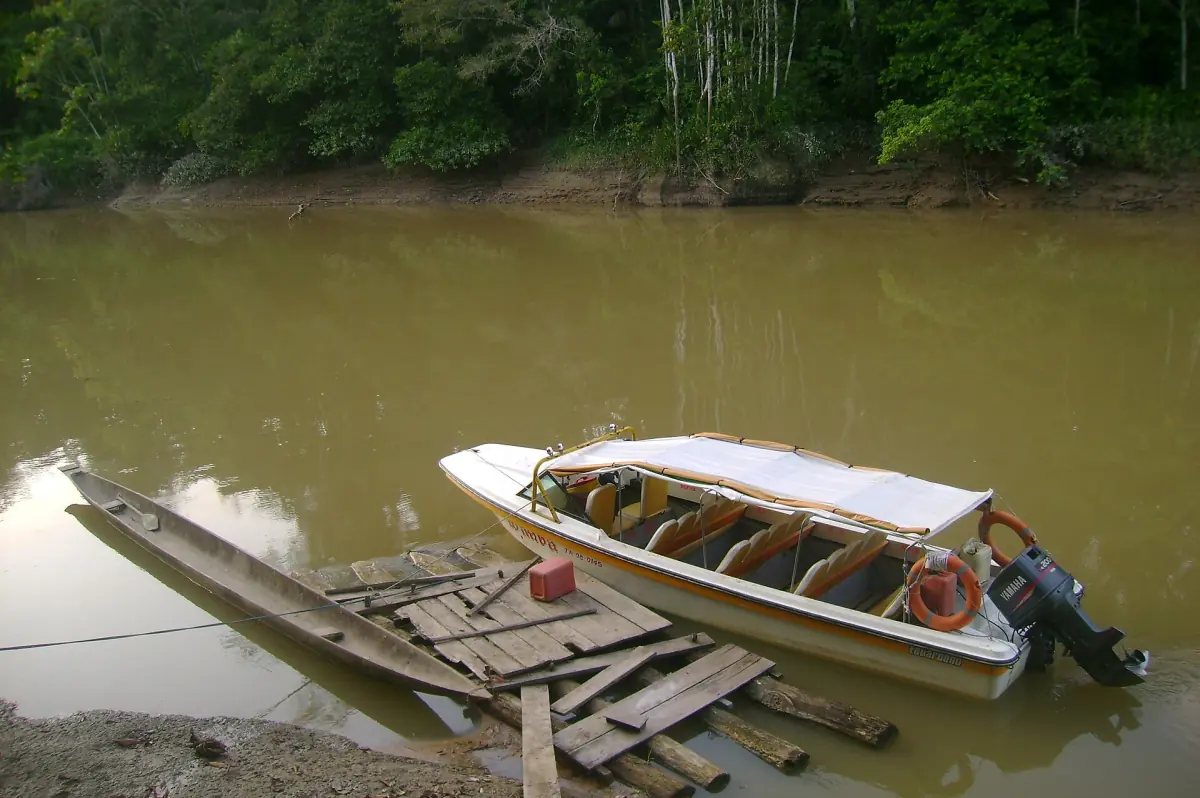
Choosing an organised encounter
Read the programme for the visit itself as well as the transport and accommodation. Who is welcoming visitors? What does the itinerary say about the encounter? How much of the trip is spent travelling or camping? These questions help you choose a journey whose structure matches your interests, without expecting a particular activity simply because a community is mentioned.
The featured five-day camping and kayaking programme explicitly includes a visit to native Kichwa communities. Its listed activities also include kayaking on the Tiputini, a visit to Anaconda lagoon, hiking and wildlife spotting. Camping, meals, equipment and local guides are among the inclusions. It is a multi-day journey with a community visit, so allow time for the whole programme rather than treating the encounter as an independently scheduled short visit.
A package with community visits
This kayak and camping package includes visits to Kichwa communities.
Hand-picked tours, booked through Viator. Prices are indicative starting prices in US dollars (as of October 2026). Tap a tour for live availability and the current price in your currency.
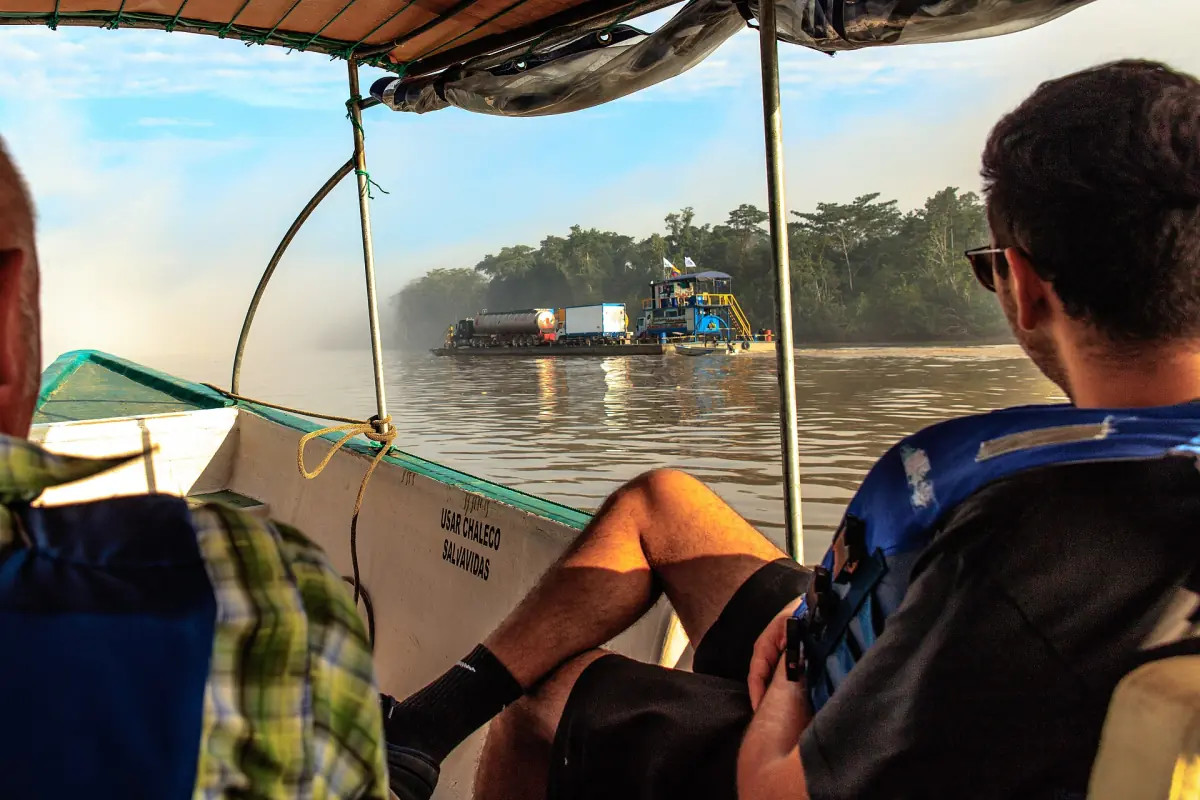
A rainforest journey with a Kichwa community visit
This camping and kayaking programme includes a visit to Kichwa communities alongside its forest activities.
Respect and permission
Let the inviting community and the people organising your visit explain the appropriate conduct for that place. Agree on photography or recording with the people concerned before taking pictures, and follow instructions about where the group should go. Taking time to listen and respecting the boundaries of the visit are as important as the questions you bring with you.
Kichwa and Waorani are distinct peoples. The local tourism authority requires prior authorisation for visits to Waorani territories, so a programme involving one community should not be taken as permission to enter another territory. The principle of non-contact applies to the isolated Tagaeri and Taromenane. An encounter with a participating community is not an invitation to seek out people living in isolation.
Ask about the language and format of your own programme, and leave room for the host community's choices. Approach the visit with curiosity instead of a checklist of assumed demonstrations. An exchange has more meaning when the people receiving you determine what they wish to share and visitors accept that the programme has boundaries.
Culture and history in El Coca
Before or after a journey into the forest, the MACCO museum in El Coca offers a different kind of introduction to the region's history. Its collection presents pre-Columbian Amazonian history through archaeological objects and changing exhibitions. The museum is on Avenida 9 de Octubre and Eugenio Espejo, by the Malecón. See our El Coca guide for the address and visiting hours.
A museum visit and an invitation from a living community serve different purposes. Use the museum to explore the material history presented there, and approach a hosted visit as an opportunity to listen to the people you meet. Avoid treating either experience as a complete account of every community in the region.
Preparing for a longer rainforest journey
Community encounters may be part of itineraries that also involve land or water travel and time outdoors. The featured programme includes camping equipment, transport and guides as listed in its inclusions. Consider the trip's length and activities together when deciding whether it suits you, and review the meeting arrangements and equipment details for your departure.
Rain can occur throughout the year, and conditions affect travel and paths. Protect personal essentials from water, bring suitable personal items and follow your guide's instructions. Seek individual travel health advice for the Amazon portion of your route and plan mosquito protection. For remote travel, consider insurance and an emergency communication plan. Our weather guide helps you prepare for changing conditions.
Frequently asked questions
Does the featured journey include a community visit?
Yes. The five-day camping and kayaking programme lists visits to native Kichwa communities.
Can I visit any community independently?
Arrange a visit with the inviting community and its organiser. Waorani territories require prior authorisation.
Can I take photographs?
Agree on photography with the people concerned and follow the instructions for your particular visit.